In the world of dropshipping, most sellers spend 90% of their time on product research. They hunt for the "next big thing," spend hours crafting perfect descriptions, and launch dozens of listings. But there is a silent killer in this business model that often goes unnoticed until it’s too late: the state of your existing inventory.
When you operate a store with dozens or hundreds of SKUs, manually tracking supplier stock levels is a recipe for disaster. If your supplier goes out of stock and you don’t know about it immediately, you continue to take orders for products you cannot fulfill. This leads to frustrated customers, negative feedback, and, in many cases, account health penalties on platforms like eBay, Amazon, or Shopify. This is where shifting to an automation-first inventory strategy becomes the difference between a struggling side-hustle and a sustainable, scalable business.
The Hidden Danger of Stale Inventory: Why Manual Updates Kill Your Store's Reputation
Manual inventory management isn't just inefficient; it is inherently flawed. Even the most diligent seller cannot manually check supplier stock levels 24/7. When you rely on spreadsheets or manual checks, you are always operating with "stale" data. By the time you realize a product is out of stock, you may have already processed three orders that you are now forced to cancel.
Every cancellation is a strike against your store. It ruins your seller rating, triggers algorithm penalties, and erodes customer trust. The "human element" in inventory management is the primary bottleneck preventing growth. If your time is consumed by checking stock levels, you aren't actually building a business; you are performing administrative maintenance that a system should be handling for you.
The 'Stockout' Effect: How Inconsistent Data Costs You Sales and Search Rankings
Search algorithms on major marketplaces prioritize reliable sellers. If you have a high cancellation rate because of stockouts, your listings are effectively "shadow-banned" or pushed to the bottom of search results. Inconsistent data doesn't just cost you the profit on a single sale; it costs you the visibility required to make future sales.
Furthermore, over-listing—the practice of dumping thousands of items into a store without a synchronization plan—often leads to a "cluttered" shop. If a significant percentage of your catalog is out of stock, your shop looks unprofessional. Customers who encounter an "out of stock" notification are unlikely to browse your other offerings. They move on to the next seller who has their act together. Reliable dropshipping automation ensures that your storefront always reflects reality, keeping your store healthy and your conversion rates steady.
Beyond Research: Why Your Listing Workflow Needs Real-Time Inventory Synchronization
Many sellers treat product research and inventory management as two separate silos. They research, list, and then "hope for the best." A professional workflow integrates these processes. When you use a system like AutoDropMachine, you aren't just adding tools; you are building an operational pipeline.
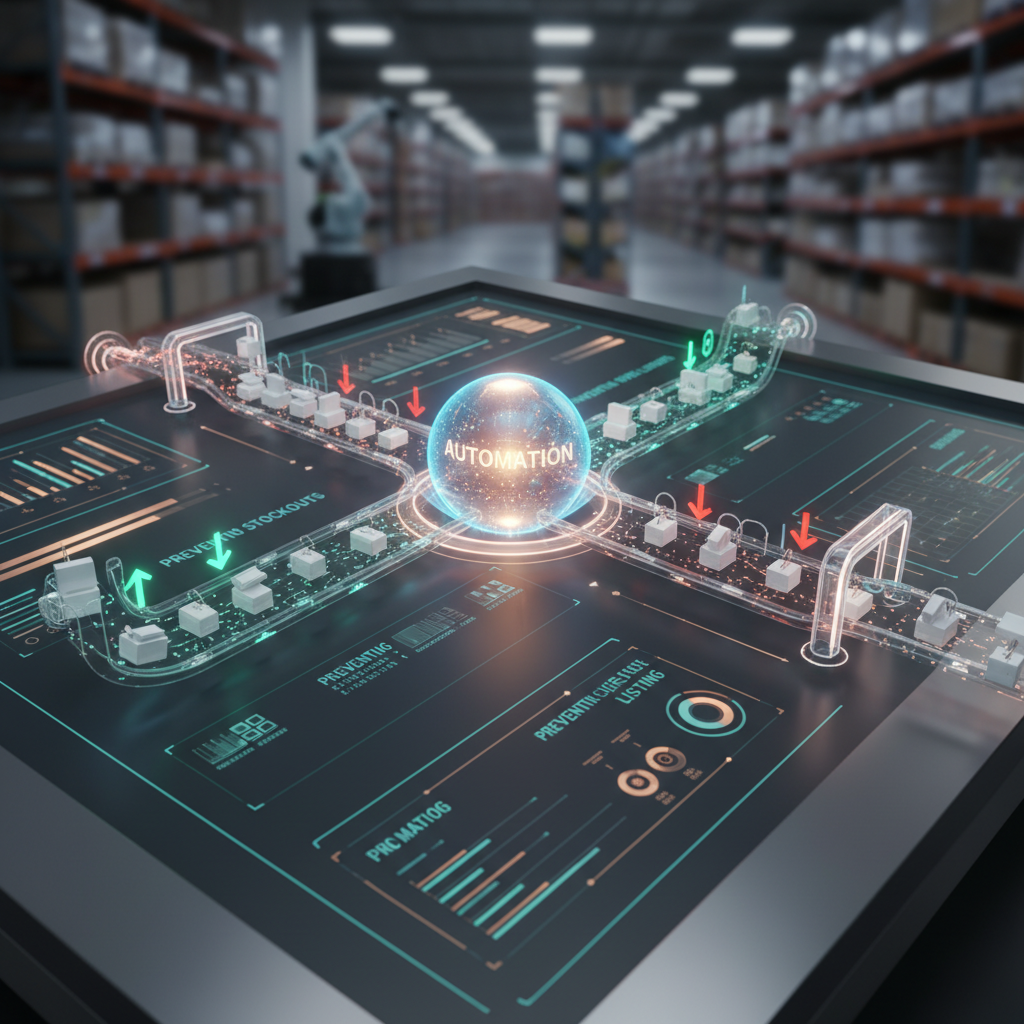
Real-time synchronization acts as a safety net. It monitors your supplier’s inventory levels and automatically updates your store. If a supplier runs out of a specific color or size, the system catches it before a customer does. This allows you to focus on high-level strategy—like identifying trends and optimizing your marketing—rather than putting out fires caused by inventory discrepancies.
Building an 'Automation-First' Inventory Pipeline with AutoDropMachine
How do you actually transition from manual chaos to an automated system? The first step is to stop viewing automation as an "extra" and start viewing it as the backbone of your operations. AutoDropMachine was designed specifically to bridge the gap between complex technical requirements and the practical needs of the daily dropshipper.
Our approach focuses on:
- Consistency: Removing the human error that leads to overselling.
- Speed: Reducing the time it takes to process listings and updates from hours to minutes.
- Clarity: Providing a clear, organized view of your store's health, so you know exactly what is happening with your products at any given moment.
You don't need to be a developer to implement this. The system is built for sellers who need a practical, reliable, and straightforward solution to help them work faster and more efficiently. Whether you are a small boutique seller or managing a larger catalog, the goal remains the same: operational stability.
Case Study: Reducing Operational Overhead by 70% Through Smart Synchronization
Consider the typical journey of a growing dropshipper. In the beginning, they manage 20 items. It’s manageable. But as they scale to 200 or 500 items, the manual check-in process takes nearly four hours every day. That is 20 hours a week spent just looking at spreadsheets. By implementing a dedicated automation workflow, that same seller can reduce their manual oversight by roughly 70%.
Instead of spending their morning checking stock, they spend it analyzing which products are gaining traction. They use the time saved to refine their product listings, optimize their titles for better search visibility, and improve their customer service responses. The result isn't just a more efficient store; it's a more profitable business because the owner is finally able to act as a CEO rather than a data-entry clerk.
If you are tired of the constant cycle of manual updates and the fear of an unexpected stockout, it is time to change your approach. The cost of inaction—lost sales and damaged reputation—is almost always higher than the investment in a professional system. Reach out to us to see how we can tailor a workflow for your specific store. Start now and work faster—automate smarter with AutoDropMachine today.
Frequently Asked Questions
How does automated inventory management prevent overselling?
Automated inventory management continuously monitors your supplier's stock levels. When a product goes out of stock at the source, the system instantly updates your store to reflect that change, typically by setting the quantity to zero or ending the listing. This prevents customers from purchasing items that are unavailable, effectively eliminating the risk of overselling.
Can I integrate this with my existing dropshipping suppliers?
Yes, the AutoDropMachine workflow is designed to be flexible. We focus on creating a practical system that integrates with your current operations. By centralizing your inventory data, we help you maintain control over your listings regardless of the specific suppliers you use.
What is the first step to automating my inventory workflow?
The first step is to audit your current manual processes. Identify which tasks—such as checking stock, updating prices, or managing product listings—take up the most of your time. Once you have identified these bottlenecks, you can contact us to discuss how our automation systems can be implemented to handle these tasks for you. We help you move from manual, reactive work to a proactive, automated strategy.