The New Era of Multi-Channel Selling
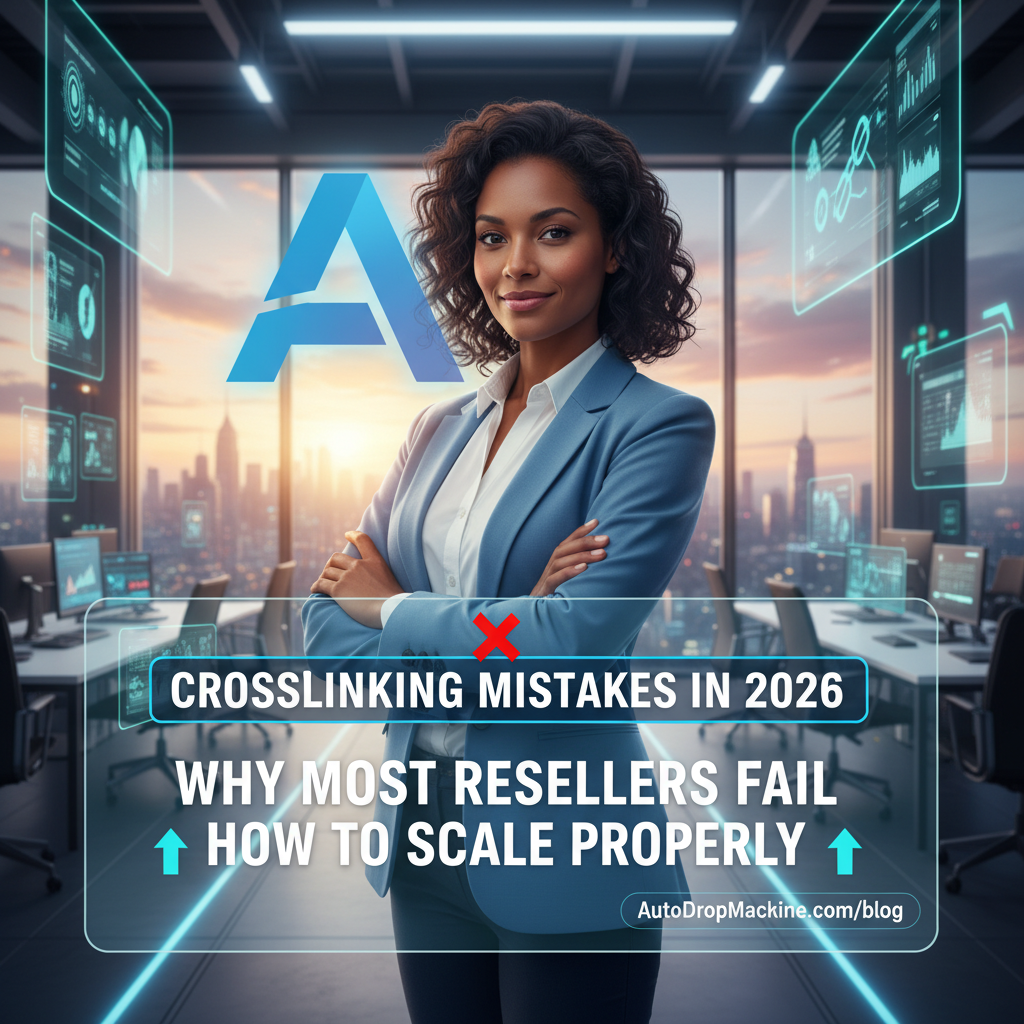
By 2026, the barrier to entry for reselling has vanished, but the complexity of managing inventory has skyrocketed. Sellers are no longer just managing one storefront; they are balancing inventory across four or five major marketplaces simultaneously. While the opportunity for profit is higher than ever, so is the risk of account suspension and inventory mismanagement. If you are still manually copying and pasting your listings, you are not just wasting time—you are setting yourself up for catastrophic errors.
Mistake 1: The Inventory Synchronization Trap
The single biggest mistake resellers make in 2026 is failing to sync inventory in real-time. Imagine selling a high-demand sneaker on one platform, only to have it sell five minutes later on another because your stock wasn’t updated. This leads to forced cancellations, negative feedback, and ultimately, platform penalties that can ban your seller account permanently. Relying on manual updates is a relic of the past that no professional seller can afford.
Mistake 2: Ignoring Platform-Specific SEO
Many sellers treat their listings like a "copy-paste" job. They take a title and description optimized for one platform and blast it across three others. This is a massive mistake. Each marketplace has a unique algorithm and a different customer demographic. A title that performs well on an auction-based site may fail miserably on a fixed-price marketplace. To avoid this, you must tailor your keywords to the specific search intent of each platform’s user base.
Mistake 3: Overlooking Automated Efficiency
Manually re-listing items across platforms is the fastest way to burn out. In 2026, the volume of competition means that speed is a competitive advantage. Sellers who spend hours on data entry are losing ground to those using smart automation tools. For instance, many successful sellers now use the ZeeDrop Crosslister, which allows sellers to list products across multiple marketplaces in seconds. By automating the repetitive tasks, you free up your time to source better inventory and focus on high-level strategy. You can explore how it works at ZeeDrop to see how to reclaim your day.
Mistake 4: Disregarding Account Health Metrics
Every platform tracks your "crosslisting behavior." If you are using low-quality scrapers or bots that violate a platform's Terms of Service, you will eventually get flagged. The mistake here is choosing the cheapest tool rather than the safest one. Always prioritize tools that mimic human behavior and respect the API guidelines or non-API limitations of the marketplaces you are targeting. Security must always come before convenience.
Mistake 5: Neglecting Pricing Strategy Per Platform
Different platforms have different fee structures. If you list an item at the exact same price on every site, you are likely losing money on the platforms with higher seller fees. A common, yet avoidable, mistake is failing to calculate "net profit" after fees for each specific marketplace. Always adjust your pricing to reflect the varying costs of doing business on different sites.
The Path Forward
Success in 2026 requires a hybrid approach: human-led product curation supported by machine-speed execution. By avoiding these common pitfalls—syncing issues, lazy SEO, inefficient workflows, and poor pricing—you can scale your reselling business into a sustainable operation that thrives regardless of which platform is currently trending.
What is the most important factor in successful crosslisting?
The most important factor is real-time inventory synchronization. Preventing double-sales is the only way to protect your account health and maintain your reputation as a reliable seller.
Is it safe to use automation tools for crosslisting?
Yes, provided you use reputable tools that prioritize account safety. Tools like ZeeDrop are designed to handle the technical heavy lifting, allowing you to list items across multiple marketplaces in seconds while adhering to platform best practices.
Should I use the same photos for every platform?
While you can use the same photos, ensure they meet the specific requirements of each platform (e.g., aspect ratio or background color preferences). High-quality, clean images are universal, but always double-check the individual platform guidelines.
How often should I crosslist my inventory?
You should crosslist as soon as an item is ready for sale. The more platforms your item is on, the wider your net for potential buyers. Automation makes this instantaneous, removing the "should I?" dilemma.