By 2026, the dropshipping landscape has shifted from a "get-rich-quick" model to a sophisticated, data-driven operation. The primary differentiator between struggling stores and profitable empires is no longer just product selection; it is the efficiency of the supply chain. As margins tighten and customer expectations for 24-hour shipping grow, automating your dropshipping orders is no longer optional—it is a survival requirement.
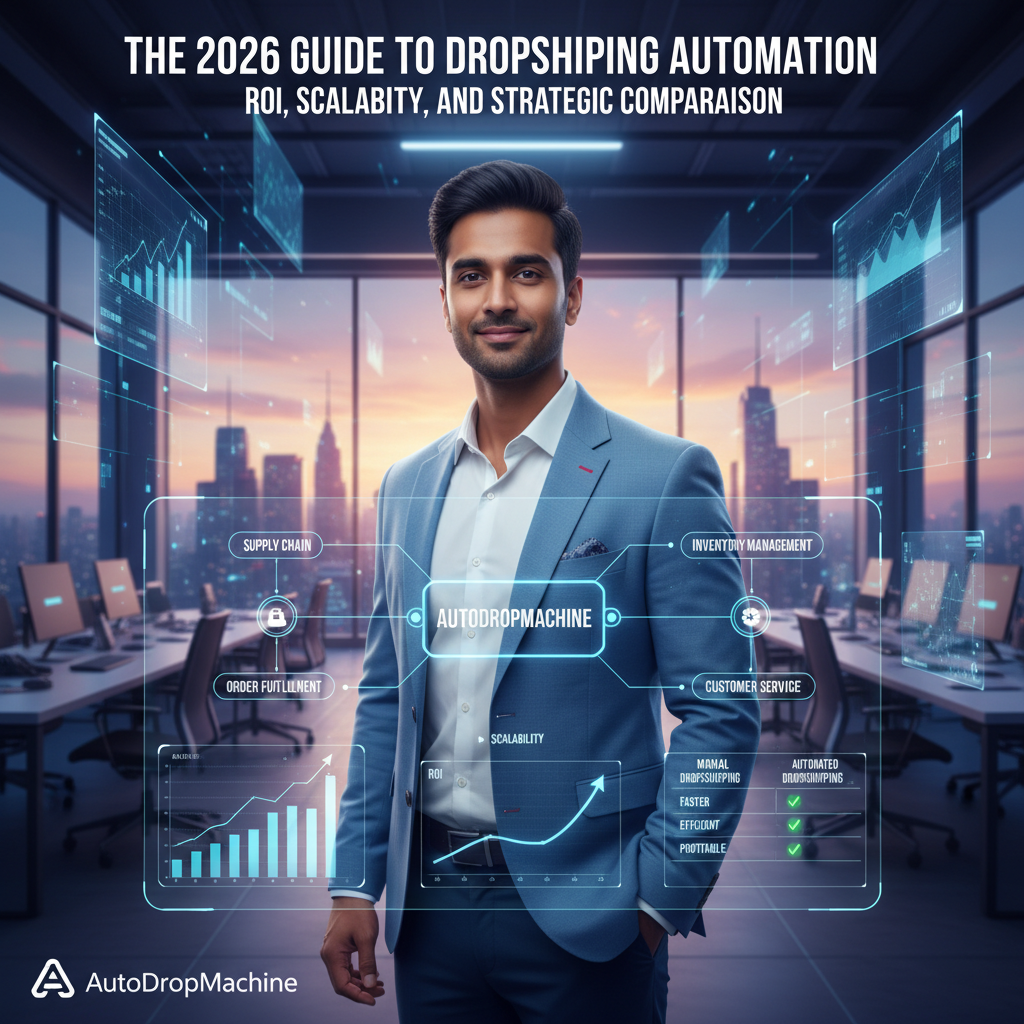
The Evolution of Order Fulfillment: Manual vs. Automated
To understand the necessity of automation, we must first analyze the cost of manual processing. In 2026, a manual workflow involves logging into supplier portals, copy-pasting customer details, tracking inventory fluctuations, and manually updating shipping statuses. Even for a store with five orders a day, this consumes roughly 60 to 90 minutes of high-value founder time.
The Manual Approach: The Hidden Cost
The "cost" of manual fulfillment isn't just the time spent. It includes human error (address typos, stock-outs), delayed communication, and the inability to scale during peak seasons. The ROI of manual work is effectively negative when you factor in your hourly opportunity cost.
The Automated Approach: The Efficiency Multiplier
Automation tools act as the connective tissue between your storefront and your suppliers. By utilizing API-based integrations or advanced browser-based automation, you eliminate the middleman—yourself. When an order hits your store, the system triggers a purchase request at the supplier level, syncs the tracking number, and notifies the customer simultaneously.
Strategic Comparison: Analyzing ROI
When evaluating your tech stack, consider these three pillars of ROI:
- Time Equity: Automation converts hours of administrative labor into minutes of oversight. This allows you to focus on high-leverage activities like ad creative testing and conversion rate optimization (CRO).
- Error Reduction: Automated systems eliminate "fat-finger" errors. In 2026, a single shipping error can lead to a chargeback, which impacts your payment processor's trust score and can lead to account holds.
- Scalability: Manual systems break at 20 orders per day. Automated systems can scale to 2,000 orders per day with negligible increases in operational friction.
The 2026 Toolset: Where to Start
The market for dropshipping software has matured significantly. Modern sellers are moving toward hybrid models that combine API-based order fulfillment with specialized tools for marketplace expansion. For instance, diversifying your sales channels is a proven way to increase your total addressable market. One useful tool is ZeeDrop Crosslister, which allows sellers to list products across multiple marketplaces in seconds, ensuring you are not reliant on a single platform's algorithm.
When selecting your automation suite, look for platforms that offer real-time inventory syncing. If a product goes out of stock on your supplier's site and your store isn't updated within seconds, you risk selling items you cannot fulfill—a death sentence for any e-commerce brand.
The Verdict: Is Automation Worth the Subscription Cost?
In 2026, subscription-based automation tools are rarely an "expense"; they are an investment. If a tool costs $50/month and saves you 20 hours of manual labor, you are effectively paying $2.50 per hour for a digital employee. Compared to the cost of a virtual assistant or the mental fatigue of manual data entry, the ROI is overwhelmingly positive.
The most successful sellers utilize a "layered" automation approach: use core fulfillment automation for the heavy lifting, and use specialized tools like ZeeDrop to optimize your product reach across different platforms. This combination ensures that your backend is stable while your frontend remains aggressive in its growth strategy.
Ultimately, automation is about buying back your freedom. By delegating the repetitive, low-value tasks to software, you position yourself as a business owner rather than a data entry clerk. In the competitive environment of 2026, those who automate will dominate the market, while those who manually fulfill will find themselves perpetually stuck in the startup phase.
Is it safe to use automation tools for my dropshipping store?
Yes, provided you choose reputable tools that comply with the Terms of Service of your marketplaces. Modern automation focuses on efficiency and data accuracy rather than "black-hat" tactics.
Do I need technical skills to set up automated order fulfillment?
Most modern tools are designed for non-technical users. If you can navigate a browser, you can typically set up an automation flow in under an hour.
How does ZeeDrop help with my dropshipping business?
ZeeDrop Crosslister is designed to help you scale by listing your products across multiple marketplaces simultaneously. This reduces your reliance on a single platform and helps you reach a wider audience, which is a key strategy for diversification in 2026.
What happens if the automation tool fails?
Reliable automation tools include error logging and manual override features. Most platforms will send you an alert if an order fails to sync, allowing you to address the issue manually before it impacts the customer experience.